
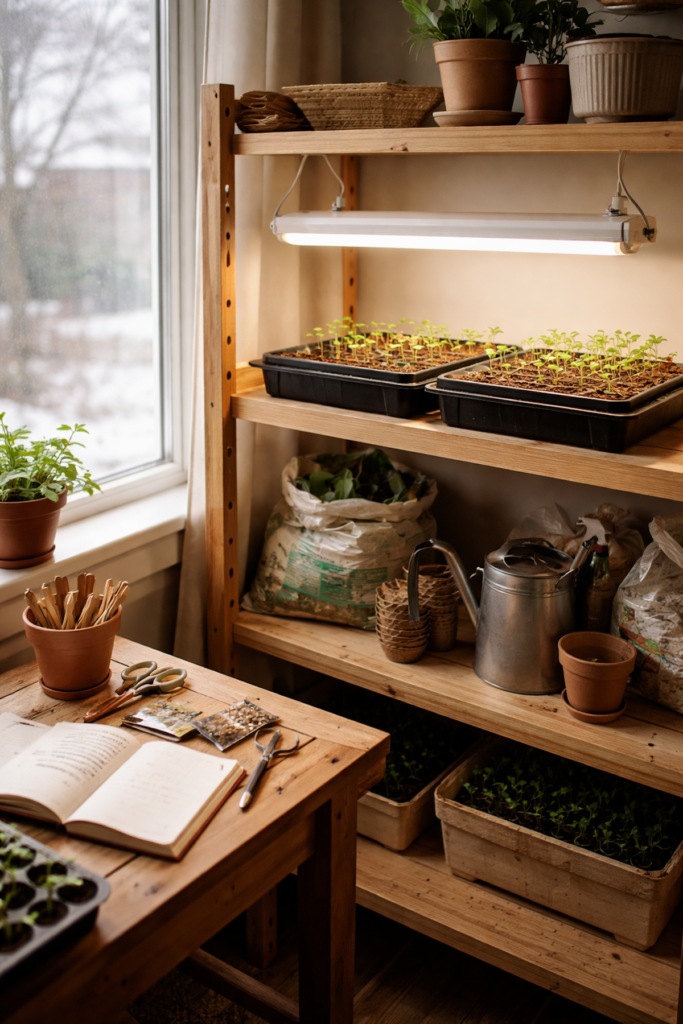
February is one of the most misunderstood months in the garden, especially for Zone 7 growers. The ground may still feel frozen, trees look dormant, and winter weather can linger. At the same time, the calendar is quietly telling you it’s time to begin. This February seed starting zone 7 guide is designed to help you make practical, confident decisions about what to start now, what to wait on, and how to avoid the common mistakes that cost gardeners time, space, and momentum.
For Zone 7, February is not about planting everything early. It’s about starting the right things, in the right way, with a clear understanding of frost risk, soil temperature, indoor growing conditions, and realistic timelines. A thoughtful approach now can mean stronger plants, fewer setbacks, and a smoother spring transition.
This guide focuses on real-world gardening considerations. It assumes you are working with limited indoor space, typical household lighting, and a desire for healthy, manageable seedlings rather than sheer volume.
Understanding February Conditions in Zone 7
Before deciding what seeds to start, it helps to understand what February actually looks like across Zone 7. While this zone covers a wide geographic area, it shares several common traits that directly impact seed starting decisions.
Zone 7 winters are often inconsistent. You may experience brief warm spells followed by hard freezes, sometimes within the same week. Soil temperatures are usually still too cold for most direct sowing, even if daytime air temperatures feel mild. This mismatch between air and soil temperature is one of the biggest reasons early planting fails.
February seed starting in Zone 7 is primarily an indoor activity. The goal is not early harvest at all costs, but rather giving slow-growing plants enough time to mature before summer heat arrives.
Frost Dates and What They Really Mean
Many gardeners rely heavily on average last frost dates. In Zone 7, these typically fall between late March and mid-April. However, averages hide variability. A late frost can undo weeks of progress if seedlings are rushed outdoors.
February seed starting works best when you plan backward from your safe transplant window, not just the calendar date. Plants started now should be ones that either:
-
Grow slowly and benefit from a head start
-
Tolerate cool temperatures at transplant time
-
Can remain indoors longer without becoming root-bound
What Makes February Different From January or March
February sits in a narrow planning window. In January, most gardeners are still preparing supplies and planning layouts. In March, direct sowing and mass transplanting begin in earnest. February is the bridge between intention and action.
The biggest difference is day length. By mid-February, daylight hours increase enough to support seedling growth under supplemental lighting. This reduces legginess and improves overall plant strength.
However, indoor conditions are still challenging. Homes tend to be dry, with common temperature swings, and space is limited. Starting too many seeds in February often creates more problems than it solves.
The goal is selective starting, not volume.
Best Seeds to Start Indoors in February for Zone 7
Not all plants benefit equally from early indoor starting. February is ideal for crops that need a long season or struggle if direct-sown.
Cool-Season Vegetables That Benefit From a Head Start
Several cool-season vegetables grow slowly at first but handle cool transplant conditions well. These are strong candidates for February seed starting zone 7 gardens.
Examples include:
-
Broccoli
-
Cabbage
-
Cauliflower
-
Brussels sprouts
-
Kale
These plants appreciate being well-established before they face fluctuating spring temperatures. Starting them indoors in February allows you to transplant sturdy seedlings as soon as the soil is workable.
The trade-off is space. Brassicas can take up room for several weeks. If indoor space is tight, it’s better to start fewer plants well than many plants poorly.
Long-Season Warm-Weather Crops
Some warm-weather plants need extra time before producing. February gives them a manageable head start without pushing them too far ahead of transplant time.
Common examples:
-
Peppers (sweet and hot)
-
Eggplant
These seeds germinate slowly and grow steadily. Starting them in February allows for stronger root systems and earlier flowering once planted outdoors.
Tomatoes are often debated. In Zone 7, February is usually too early for most tomato varieties unless you have excellent light and space. Overgrown tomato seedlings can become stressed and leggy, which sets them back after transplant.
Herbs Worth Starting Indoors Now
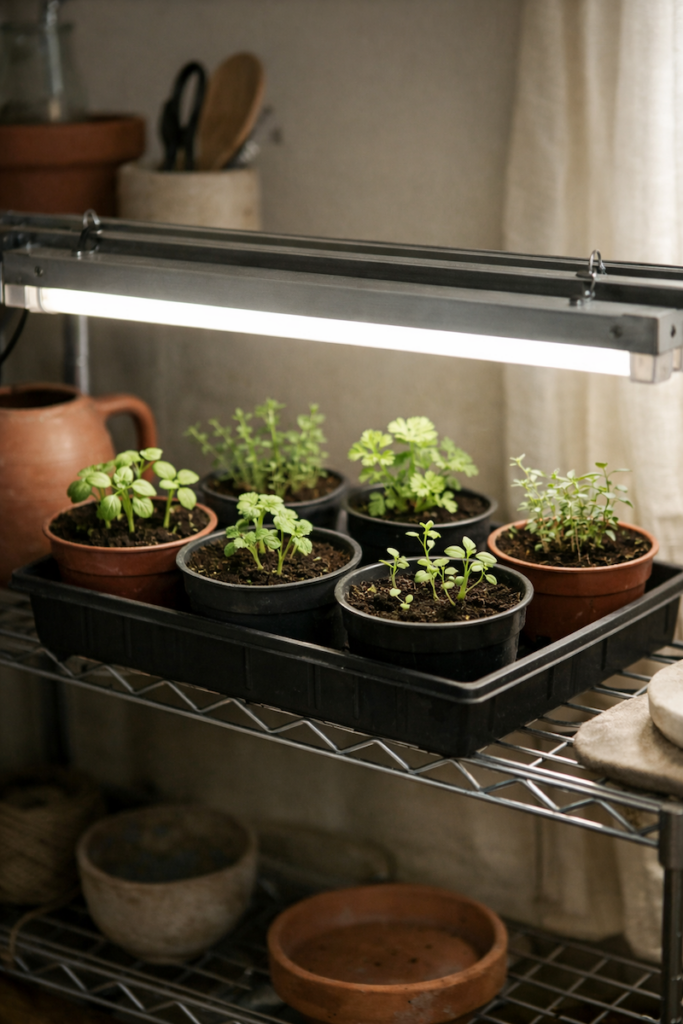
Herbs vary widely in growth rate and transplant tolerance. February is a good time to start slow-germinating or perennial herbs that benefit from early establishment.
Good candidates include:
-
Rosemary
-
Thyme
-
Oregano
-
Sage
-
Parsley
These herbs can take weeks to germinate and grow slowly at first. Starting them early ensures usable plants by late spring rather than midsummer.
Fast-growing herbs like basil and dill should generally wait until March. Starting them too early often results in leggy growth and unnecessary transplant stress.
What Not to Start in February (Even If You’re Tempted)
One of the most valuable parts of a zone 7 seed starting guide is knowing what not to start.
Avoid starting:
-
Squash
-
Cucumbers
-
Melons
-
Beans
-
Corn
These plants grow quickly and dislike root disturbance. Starting them too early indoors often results in oversized seedlings that struggle outdoors.
February enthusiasm can lead to overcrowded trays and poor results. Waiting a few weeks often produces healthier plants with less effort.
Direct Sowing in February: Limited but Possible
In most Zone 7 gardens, February is not a major month for direct sowing. Soil temperatures are typically too cold, and heavy rains can rot seeds before germination.
However, there are exceptions.
Cold-Hardy Crops for Late February Sowing
Toward the end of February, and only if soil conditions allow, some cold-hardy crops can be direct sown.
These include:
-
Spinach
-
Peas
-
Radishes
-
Arugula
The key factor is soil workability. If soil is muddy or frozen, wait. Planting into poor conditions often delays germination more than waiting does.
Row covers or low tunnels can improve success, but they require monitoring and maintenance.
Indoor Seed Starting Setup: What Actually Matters
Seed starting does not require expensive equipment, but it does require consistency. The most common failures are caused by uneven light, irregular watering, and overcrowding.
Light: The Single Most Important Factor
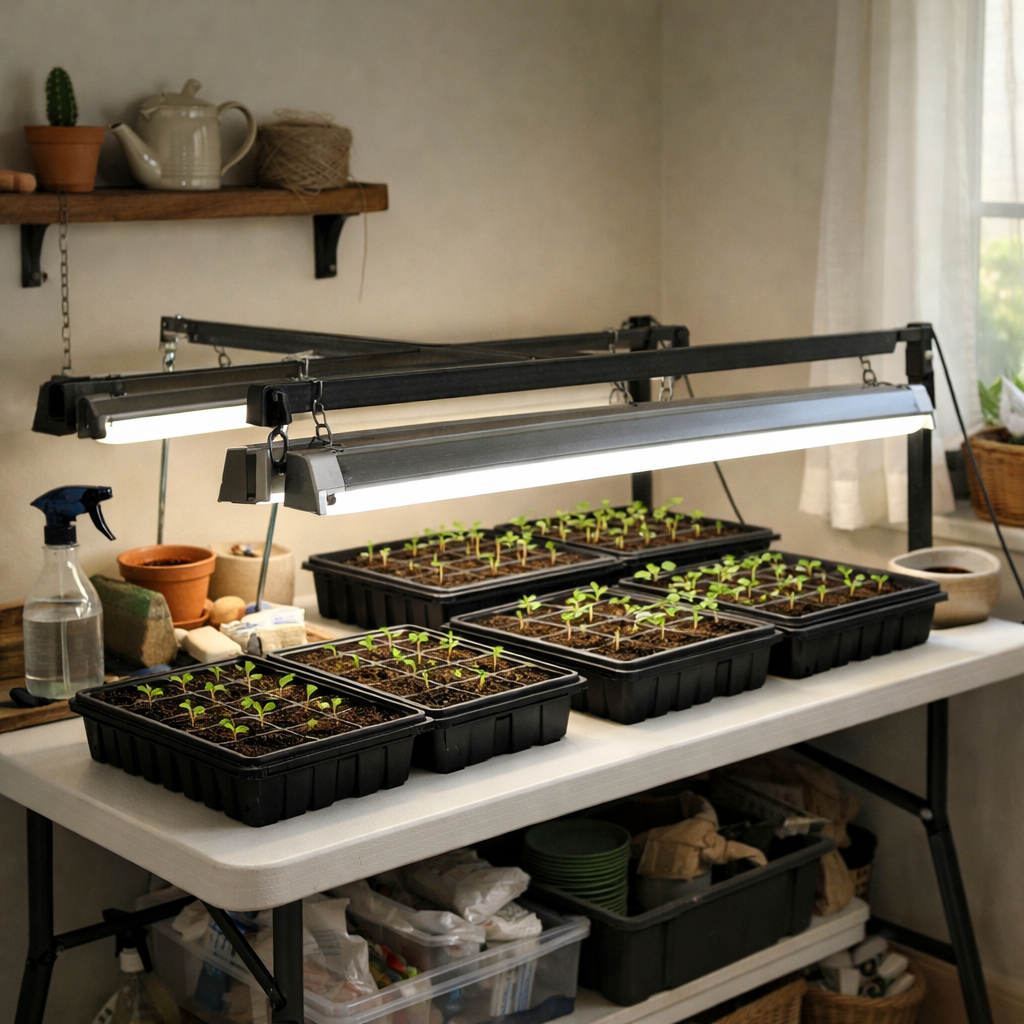
Natural window light is rarely sufficient in February. Supplemental lighting helps prevent weak, stretched seedlings.
Practical considerations:
-
Lights should be close to the seedlings
-
Consistent daily exposure matters more than intensity
-
Adjustable setups allow for growth without stress

Temperature and Humidity
Seeds germinate best with steady warmth. Drafty areas near windows or doors can slow or prevent germination.
Humidity domes can help early on, but should be removed once seedlings emerge to prevent disease.
Containers and Space Management
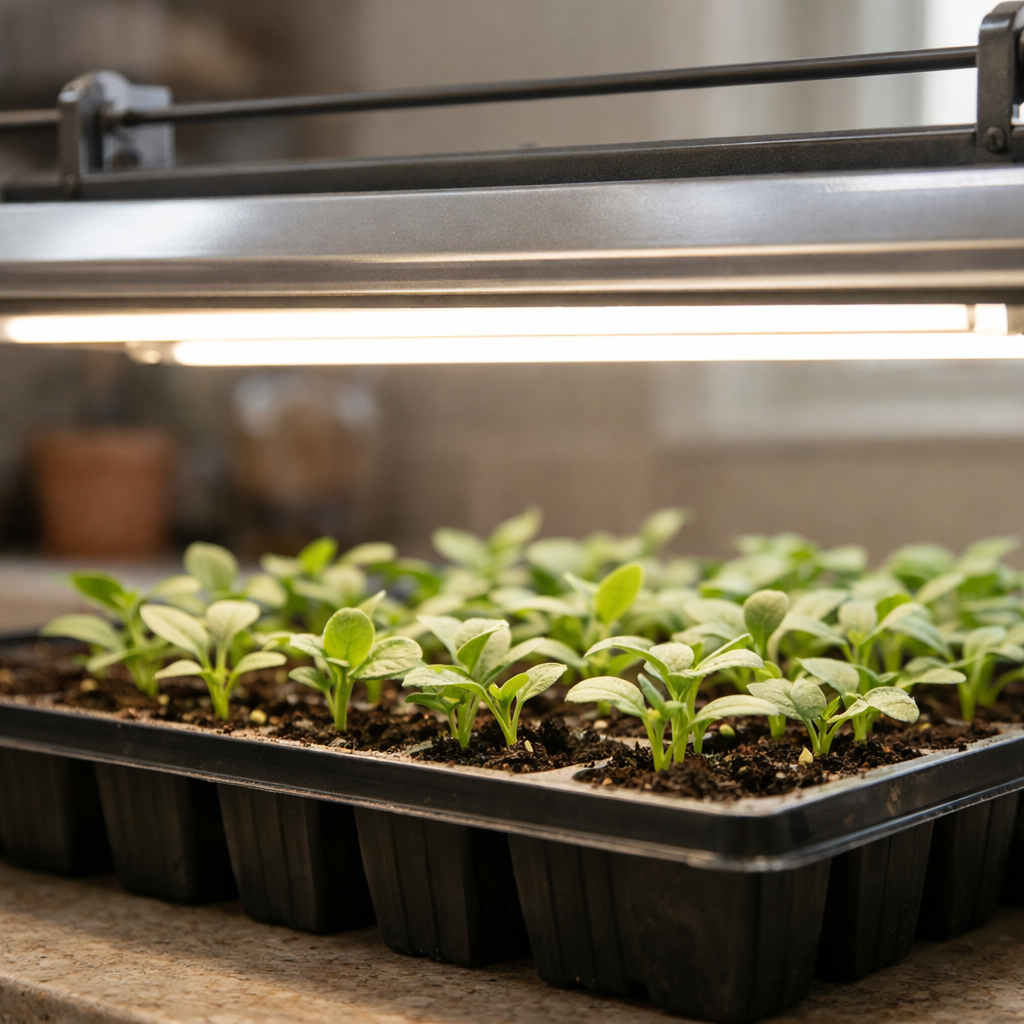
Space is often the limiting factor in February seed starting zone 7 homes. Choosing the right containers helps maximize success without clutter.
Cell Trays vs. Individual Pots
Each option has trade-offs.
-
Cell trays save space but require earlier potting up
-
Individual pots reduce transplant stress but take more room
For February starts, cell trays are usually more practical. Plan for potting up only the strongest seedlings.

Common February Seed Starting Mistakes
Many gardeners struggle not because they lack effort, but because they make predictable mistakes during this month.
Common issues include:
-
Starting too many seeds
-
Overwatering
-
Insufficient light
-
Poor airflow
Addressing these early prevents problems later in the season.
Comparing Indoor Seed Starting Options
Choosing the right indoor setup depends on space, budget, and goals. Below is a practical comparison of common seed starting approaches.
| Setup Type | Space Needed | Ease of Use | Best For | Limitations |
|---|---|---|---|---|
| Windowsill Only | Minimal | Easy | A few herbs | Weak light |
| Shop Lights | Moderate | Moderate | Most seedlings | Requires setup |
| Seed Starting Rack | Larger | Easy once set | High volume | Takes space |
| Greenhouse | Large | Advanced | Early transplanting | Weather dependent |
Before choosing a setup, consider how many plants you realistically need and can care for.

Double-Check Timing With a Local Planting Calendar
Even within Zone 7, planting timing can vary more than most gardeners expect. Factors like elevation, urban heat, and late cold snaps can shift, making it unsafe to start or transplant certain crops.
Before committing seeds to trays or soil, it’s smart to confirm timing using a zip-code–specific planting calendar. The Farmers’ Almanac planting calendar allows you to enter your zip code and see recommended dates for starting seeds indoors, direct sowing, and transplanting outdoors based on historical weather data.
Use it as a confirmation tool, not a strict rulebook. If the calendar aligns with what you’re seeing in your own garden and local forecasts, it’s a good signal you’re on track. If it suggests waiting longer than you expected, that pause can save you from having to restart seeds after a late freeze.
Transitioning February Seedlings to Spring
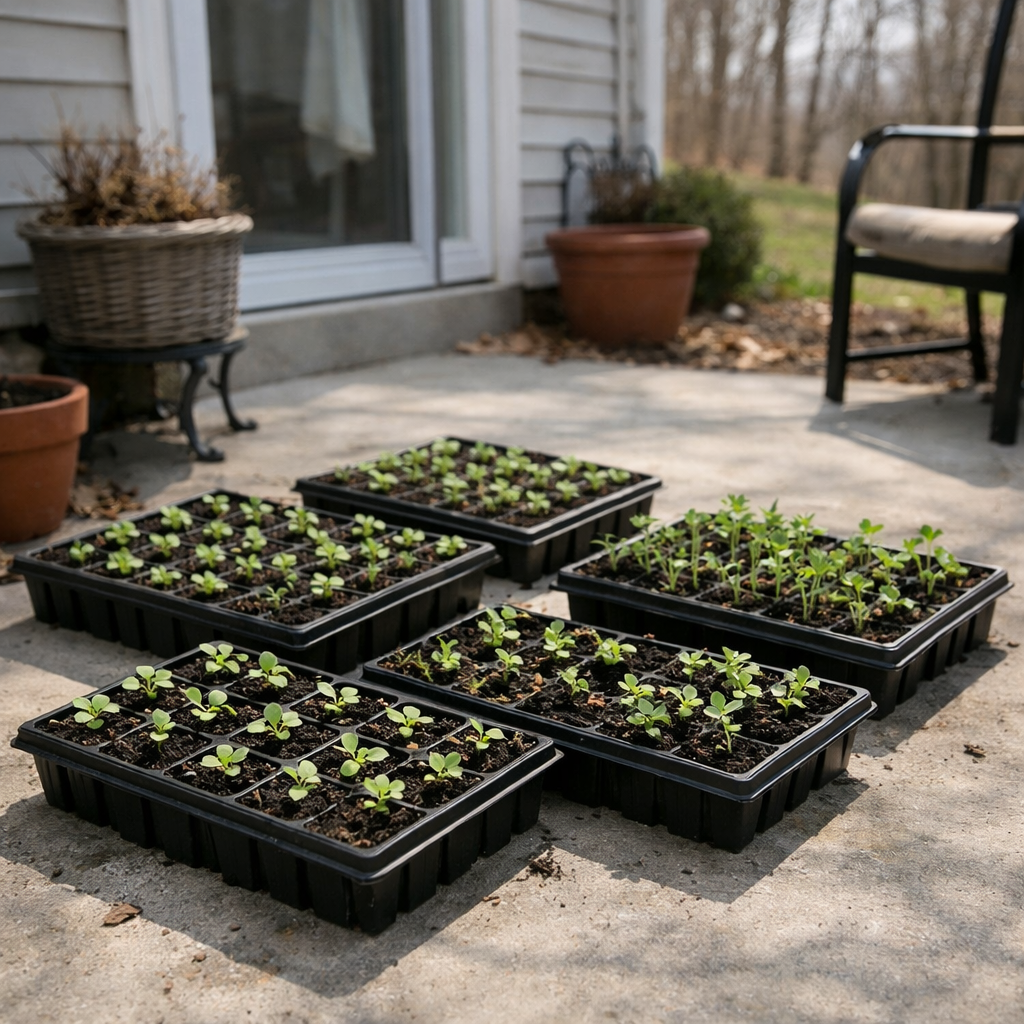
February-started seedlings often stay indoors longer than later starts. This requires careful management to avoid root binding and stress.
Potting up selectively helps. Not every seedling needs to be saved. Focus on the strongest plants.
Hardening off should begin gradually once outdoor temperatures stabilize. Rushing this step can undo weeks of progress.
Planning Ahead: How February Fits Into the Whole Season
February seed starting zone 7 gardening works best when it’s part of a larger plan. Consider how these early starts align with March and April activities.
Ask yourself:
-
Where will these plants go?
-
Will they compete with later crops for space?
-
Do I have time to care for them indoors?
Intentional planning prevents burnout and overcrowding later.
February is a natural planning month, and it’s one of the best times to take stock of your general gardening tools before the season gets busy. Once spring planting begins, missing or worn-out basics can slow you down at the exact moment when timing matters most.
This is a good window to check whether you already have essentials like hand tools, pruning gear, hoses, watering equipment, and basic soil tools ready to go. Having these items on hand early makes the transition from indoor seed starting to outdoor planting much smoother.
If you want a practical reference, 28 Must-Have Gardening Tools walks through common tools that support everyday garden tasks throughout the season. It’s not focused on specialty equipment or indoor setups, but on the core items most home gardeners rely on once beds are active and growth picks up.
Thinking through these needs now can help you avoid last-minute purchases and start the main gardening season feeling prepared rather than rushed.
Affiliate Disclosure
Some gardening tools or supplies mentioned may be available through affiliate partnerships. These recommendations are based on practical use and relevance, not promotion. You are encouraged to choose products that fit your space, budget, and gardening style.
Bringing It All Together
A successful February seed starting zone 7 approach is not about doing everything early. It is about doing the right things at the right time. February is ideal for slow-growing vegetables, certain herbs, and long-season crops that benefit from a careful head start.
By understanding your local conditions, limiting starts to plants that truly need it, and setting up a manageable indoor system, you create a foundation for a productive growing season. Patience now leads to stronger plants and fewer setbacks later.
Gardening success in Zone 7 is built in stages. February is simply the first meaningful step.