
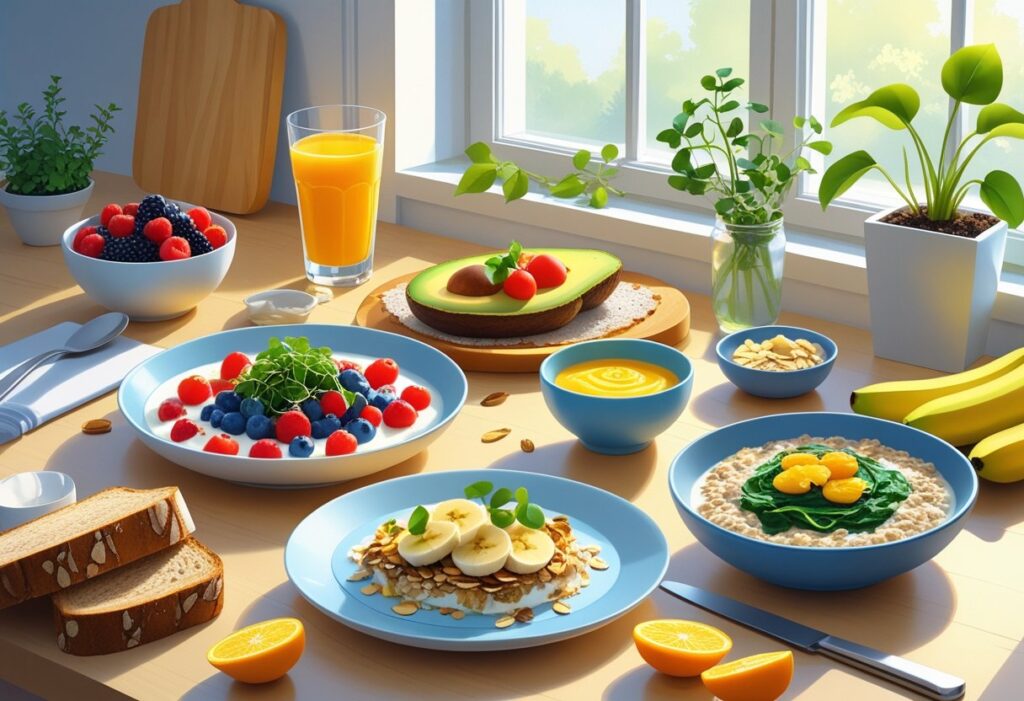
Healthy breakfasts you can prep in 10 minutes are possible even on the busiest mornings, without sacrificing flavor, nutrition, or satisfaction. Choose a mix of protein, fiber, and healthy fats—like Greek yogurt with berries and chia, a quick veggie omelet, or a smoothie with oats—and you’ll fuel your morning with steady energy instead of a mid-morning crash.
This post walks through quick no-cook options, fast hot breakfasts, smart prep-ahead tactics, and simple swaps so you can grab something wholesome even on the busiest mornings. Expect practical ingredient lists, time-saving steps, and small customization tips that fit your preferences and schedule. If mornings are the hardest part of your day, breakfast is often the easiest place to start. For ideas that extend beyond breakfast and make the rest of the week easier too, see Simple meal prep ideas for busy weeks.
Benefits of Quick Healthy Breakfasts
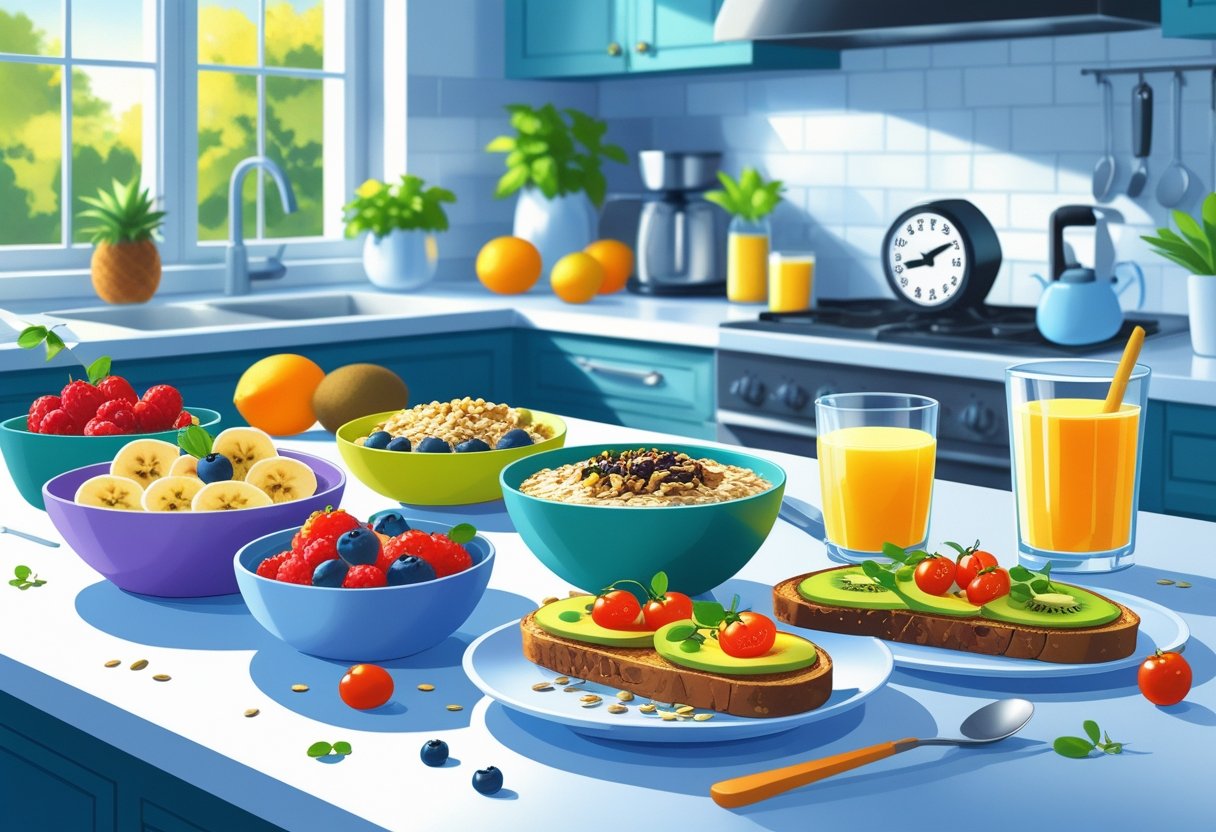
You get concentrated nutrition, more minutes in your morning, and steadier energy through the first half of your day. Preparing balanced meals in 10 minutes helps you eat intentionally rather than grabbing whatever’s easiest.
Nutritional Advantages
You don’t need a perfect breakfast to get real nutritional value in the morning. Even something simple can work well if it includes a few basics that help you stay full and focused.
A good rule of thumb is to include some protein, some fiber, and a little fat. Greek yogurt, eggs, cottage cheese, or a protein shake cover the protein piece. Oats, whole-grain toast, or fruit add fiber. Nuts, seeds, or avocado round things out so the meal actually lasts longer than an hour.
Once you have that base, small add-ins can improve nutrition without adding prep time. A spoonful of chia or flax adds fiber. Berries bring natural sweetness and variety. Tossing a handful of spinach into a smoothie boosts nutrients without changing the flavor much.
If mornings feel rushed, prepping a few components ahead of time makes this easier to repeat. Hard-boiled eggs, overnight oats, or pre-portioned fruit remove decisions when time is tight and make it more likely you’ll eat something balanced instead of skipping breakfast altogether.
Time-Saving Convenience
Ten-minute breakfasts fit into tight schedules and reduce decision fatigue. When you keep a short grocery list of versatile staples—eggs, Greek yogurt, frozen fruit, whole-grain bread, canned beans—you can assemble varied meals quickly.
Batch tasks once or twice weekly (pre-chop vegetables, portion nuts/seeds, cook grains) to shave seconds off daily prep. Use quick-cook techniques like microwaving oats, scrambling eggs in a pan, or blending smoothies. These practices free up time for other priorities while maintaining food quality.
Improved Energy and Focus
Eating a balanced breakfast within an hour of waking helps stabilize blood glucose and supports sustained mental performance. Protein slows digestion and keeps you fuller longer, while fiber provides steady glucose release; together they reduce the energy dips that harm concentration.
Choose low-sugar options to avoid insulin spikes and crashes—opt for whole fruit instead of juice, plain yogurt with fruit instead of flavored varieties, and whole grains in place of sweet pastries. Consistent morning nutrition makes it easier to maintain productivity during mid-morning meetings or focused tasks.
Key Ingredients for 10-Minute Breakfasts
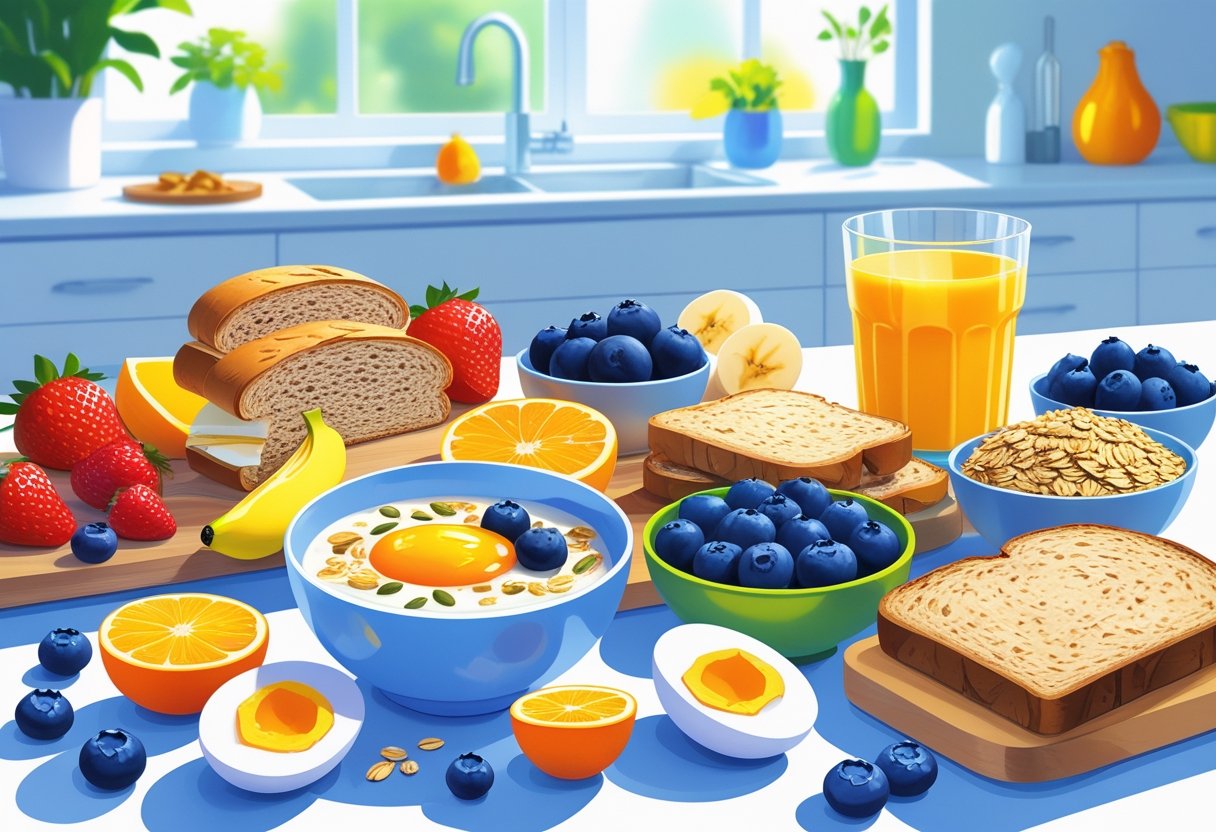
When mornings are short, the ingredients you keep on hand matter more than recipes. The goal isn’t variety for variety’s sake—it’s having a small group of foods that come together quickly and actually keep you full.
If you stock a few reliable staples, most 10-minute breakfasts start to feel automatic.
Whole Grains That Don’t Slow You Down
Whole grains work best when they require little to no cooking. Rolled oats, whole-grain bread, and quick-cooking grains are far more useful on busy mornings than anything that needs simmering or careful timing.
Oats are especially flexible. They work hot, cold, and prepped ahead, which makes them easy to repeat without getting bored. Whole-grain toast is another dependable option—fast, filling, and easy to build on with toppings you already have.
You don’t need multiple grain options. One or two you like and will actually use is enough.
Protein That’s Easy to Reach For
Protein is what keeps breakfast from wearing off too quickly. The best options in the morning are the ones that are either ready to eat or cook in just a few minutes.
Greek yogurt, cottage cheese, eggs, and protein powder all fit that description. Yogurt and cottage cheese take no cooking at all. Eggs cook quickly and can be prepped ahead if mornings feel rushed. Protein powder fills gaps on days when solid food doesn’t sound appealing.
Instead of chasing exact numbers, aim for “enough” protein to keep you from being hungry again an hour later. That’s usually the right amount.
Fruits and Vegetables That Don’t Need Prep
Morning produce should be low-effort. Berries, bananas, pre-washed greens, and cherry tomatoes are easy to grab and don’t require chopping.
Frozen fruit is just as useful as fresh and often more practical. It keeps longer, works well in smoothies, and doesn’t add extra prep time. Pre-washed spinach or mixed greens blend easily or cook down fast without needing much attention.
If produce feels like a hassle in the morning, it usually means it needs more prep than that moment allows. Choose options that work as-is.
Small Add-Ins That Make Breakfast Feel Finished
This is where flavor and staying power come from. Nut butter, seeds, nuts, or avocado add fat and texture, which makes simple breakfasts more satisfying.
You don’t need a long list. One nut butter and one type of seed can cover most breakfasts. Cinnamon, salt, or a drizzle of honey can change the flavor without turning breakfast into a project.
The goal is not to maximize nutrition—it’s to make something you’ll actually want to eat again tomorrow.
Simple No-Cook Breakfast Ideas
These options deliver protein, fiber, and healthy fats with minimal effort and ingredients. These healthy breakfasts you can prep in 10 minutes work best when they rely on simple ingredients and repeatable routines rather than complicated recipes. Each choice takes about 5–10 minutes to assemble and scales easily for meal prep or on-the-go mornings.
Overnight Oats Variations
Overnight oats require only oats, liquid, and a flavoring—mix in a jar the night before and refrigerate. Use 1/2 cup rolled oats + 1/2–3/4 cup milk or a milk alternative; stir in 1–2 teaspoons chia seeds for thickness and 1–2 tablespoons Greek yogurt for creaminess if you want extra protein.
Flavor combos to try:
- Berry almond: frozen mixed berries, 1 tbsp almond butter, sliced almonds.
- Apple cinnamon: grated apple, 1 tsp cinnamon, 1 tbsp chopped walnuts, drizzle of maple syrup.
- Tropical: mashed banana, 2 tbsp shredded coconut, splash of orange juice.
Top with fresh fruit and seeds before serving. To meal-prep, make 3–4 jars at once; they keep 3–4 days refrigerated. Adjust liquid for your preferred texture.
Greek Yogurt Parfaits
Greek yogurt gives you 15–20 g protein per serving and pairs well with crunchy and sweet toppings. Start with 3/4–1 cup plain Greek yogurt, add 1/4–1/2 cup whole-grain granola or toasted oats, and finish with 1/2 cup fruit (berries or diced peach work well).
Layering method:
- Yogurt
- Fruit
- Granola or nuts
Repeat once if you want more volume.
Add-ins to customize: 1 tbsp nut butter, 1 tbsp chia or flaxseed, or 1 tsp honey. Assemble quickly in a bowl or jar; if you prep ahead, store granola separately to keep it crisp.
Nut Butter and Banana Toast
This is a high-satiety, fiber-rich choice you can make in under five minutes if your bread is toasted. Use one slice whole-grain bread, 1–2 tbsp nut butter (peanut, almond, or sunflower), and one banana sliced on top.
Boost options:
- Sprinkle of chia or hemp seeds for extra omega-3s and protein.
- Dash of cinnamon or cacao nibs for flavor without sugar.
- Add a smear of ricotta or cottage cheese under the nut butter for more protein.
For portable mornings, assemble the toast open-faced on parchment and fold, or make a sandwich using two slices. Choose bread with at least 3–4 g fiber per slice for better blood sugar control.
Quick Hot Breakfast Recipes
You can make a warm, satisfying breakfast in under 10 minutes that balances protein, fiber, and flavor. Focus on quick-cooking proteins and prepped veggies to cut cook time without sacrificing nutrition.
Microwave Egg Dishes
Microwaving eggs gives you fast, protein-rich options with minimal cleanup. For a basic scramble: whisk two eggs with 1–2 tablespoons milk in a microwave-safe bowl, stir in a pinch of salt and pepper, and microwave 30 seconds, stir, then microwave another 20–30 seconds until set. Add chopped spinach, cherry tomatoes, or shredded cheese before the final short cook to warm them through without overcooking the eggs.
Use a mug omelet to portion-control and vary flavors. Combine eggs with 1–2 tablespoons salsa, diced bell pepper, and a tablespoon of black beans for a southwestern mug. For food safety and even cooking, always stir halfway through and let the mug rest 30 seconds after microwaving. Serve on whole-grain toast or in a warmed tortilla for a portable option.
Healthy Breakfast Quesadillas
Quesadillas deliver hot, handheld protein and veggies in about 6–8 minutes on a skillet or in a sandwich press. Start with a whole-wheat tortilla and layer 2–3 tablespoons of shredded reduced-fat cheese, a cooked egg (scrambled or chopped hard-cooked), and a handful of spinach or sautéed mushrooms. Fold and cook over medium heat 2–3 minutes per side until the tortilla is crisp and the filling is heated.
To boost fiber and cut calories, add black beans or avocado slices and skip heavy cheeses. For speed, use pre-cooked chicken or turkey, or prepare eggs in the microwave and assemble on the skillet for finishing. Cut into wedges and pair with Greek yogurt or salsa for dipping to add protein and fresh flavor.
Prep-Ahead Strategies for Busy Mornings
Prep-ahead breakfasts only work if they make mornings easier—not if they create another system you have to maintain. The goal isn’t to prep everything. It’s to remove the steps that slow you down when time is tight.
A small amount of prep, done consistently, usually beats a big batch that feels overwhelming.
Having a few reliable tools makes fast breakfasts easier, but only if they actually fit how you cook day to day.
Healthy kitchen essentials that actually get used
Prep Components You’ll Actually Use
Instead of prepping full breakfasts, focus on components that can be mixed and matched. This keeps things flexible and reduces the chances of food going untouched in the fridge.
Helpful prep-ahead basics include:
-
Hard-boiled eggs
-
Cooked grains like oats or quinoa
-
Washed and portioned fruit
-
Pre-measured nuts or seeds
These pieces can turn into different breakfasts depending on what sounds good that morning.
If you prep something and don’t use it within a few days, it’s a sign it doesn’t belong in your routine.
Short Prep Sessions Beat Big Ones
You don’t need a full meal-prep day to get ahead. Ten to fifteen minutes once or twice a week is often enough to make mornings smoother.
Use that time to:
-
Boil eggs while you’re already in the kitchen
-
Portion yogurt or cottage cheese
-
Chop fruit for the next few days
Think of prep as maintenance, not a project. This approach works especially well if your goal is to eat better without cooking every night, rather than trying to prep full meals in advance.
How to eat better without cooking every night
Smoothie Prep Without the Hassle
Smoothies are one of the easiest breakfasts to prep ahead, but they work best when you keep them simple.
Instead of blending in advance, prep smoothie packs:
-
Portion fruit, greens, and seeds into freezer bags
-
Store them flat so they’re easy to grab
-
Add liquid and protein when blending
This keeps texture and flavor better than pre-blended smoothies and takes less space in the fridge. Smoothies are often the fastest option on mornings when solid food doesn’t sound appealing. If you’re deciding between smoothies and juicing as part of your routine, it helps to understand how they compare nutritionally and practically.
Juicing vs smoothies: which is better for your routine?
Egg Prep That Actually Gets Eaten
Eggs are great for prep—as long as you prep them in a way you enjoy eating. Hard-boiled eggs work for some people, while others prefer egg muffins or quick reheats.
If you like egg muffins:
-
Keep flavors simple
-
Avoid overloading with vegetables that release water
-
Freeze extras so they don’t feel like an obligation
If reheated eggs consistently go uneaten, don’t force them into your routine.
Storage Matters More Than Recipes
Prep often fails because food gets buried or forgotten. How you store things makes a bigger difference than how you cook them.
A few practical habits:
-
Use clear containers so you can see what’s inside
-
Keep ready-to-eat items at eye level
-
Label anything that won’t be used right away
If it’s easy to see and easy to reach, it’s far more likely to get eaten.
Let Prep Reduce Decisions, Not Add Them
The best prep-ahead strategies remove decisions in the morning. If you’re still debating what to eat, prep isn’t doing its job.
A good test:
-
Can you assemble breakfast without thinking too much?
-
Does it take fewer steps than starting from scratch?
If the answer is yes, your prep is working.
Tips for Customizing Your Breakfast
Focus on simple swaps that preserve nutrition and quick prep: adjust proteins, carbs, and fats to fit allergies or goals, and use specific herbs, spices, and textures to boost flavor without extra time.
Dietary Modifications
If you need gluten-free options, use certified gluten-free oats, rice cakes, or corn-based tortillas instead of bread. For dairy-free breakfasts, swap cow’s yogurt for unsweetened soy or coconut yogurt; choose fortified versions for calcium and B12.
To increase protein quickly, stir in a scoop of unflavored whey or plant protein powder into smoothies, yogurt, or oatmeal. Two large eggs, a ¾ cup cottage cheese, or a ½ cup Greek yogurt are other fast protein boosts.
For lower-carb mornings, replace toast with a large leafy green wrap or a vegetable hash made from pre-shredded cauliflower; add avocado for healthy fats. If you follow a vegan plan, combine legumes (hummus), nuts, and seeds to reach around 15–20 g protein at breakfast. Track portions and labeled serving sizes to keep calories and macros consistent.
Flavor Combinations
Use a small set of go-to pairings to avoid decision fatigue and keep prep under 10 minutes. Try cinnamon + banana + walnut for warm sweetness; lemon zest + smoked salmon + dill for bright, savory notes; or chili flakes + lime + black beans for a spicy, tangy bowl.
Keep a spice jar near your prep area: smoked paprika, cumin, za’atar, and turmeric each change a dish’s profile with one shake. Fresh components like grated apple, citrus segments, or chopped herbs add contrast and require only seconds to prep.
For texture contrast, combine creamy (yogurt, avocado) with something crunchy (toasted seeds, granola, sliced almonds). When balancing salt and acid, a pinch of sea salt plus a squeeze of lemon or a drizzle of vinegar often makes flavors pop without extra cooking time.
Common Mistakes to Avoid
Skipping protein or relying only on carbs sets you up for mid-morning hunger and energy dips. Aim for a quick source of protein (eggs, Greek yogurt, cottage cheese, or a protein powder) to pair with fiber and healthy fat.
Overcomplicating prep kills consistency. If you try new elaborate recipes every morning, you’ll burn time and motivation. Stick to one or two repeatable 10-minute options you enjoy and rotate small variations.
Ignoring portion balance leads to under- or overeating. Use simple visual cues: half your bowl veggies/fruit, a quarter protein, a quarter whole grains or starchy veg. This keeps meals satisfying without counting calories.
Leaning too heavily on sugary or ultra-processed items causes sugar crashes and poor satiety. Check labels for added sugars and prefer whole foods like oats, berries, nuts, and plain yogurt. Sweeten minimally with fruit or a small drizzle of honey.
Failing to prep at all makes busy mornings chaotic. Small prep steps—chopping fruit, portioning yogurt, or boiling eggs—save time and reduce impulse choices. Even 5 minutes the night before improves your likelihood of a healthy breakfast.
Neglecting variety can leave you nutrient-poor and bored. Rotate proteins, grains, and fruits across the week. Variety supports gut health and keeps you engaged without adding complexity.
- Quick checklist:
- Protein included?
- Fiber present?
- Minimal added sugar?
- One prep step tonight?
Conclusion
You can build a healthier morning routine without sacrificing time. Ten-minute breakfasts that combine protein, fiber, and healthy fats support steady energy and better focus.
Rotate a few go-to options so you don’t rely on the same meal every day. For example:
- Greek yogurt with berries and chia seeds
- A quick omelet or scrambled eggs with spinach
- A smoothie with protein powder, fruit, and oats
Keep staples on hand to speed prep: cooked grains, pre-washed greens, canned beans, nuts, and frozen fruit. Small planning steps—like portioning toppings or pre-chopping veggies—shave minutes on busy mornings.
Use this simple checklist to keep choices balanced:
| Component | Examples |
|---|---|
| Protein | Eggs, Greek yogurt, cottage cheese, protein powder |
| Fiber | Oats, fruit, whole-grain toast, chia/flax |
| Healthy fats | Avocado, nut butter, nuts, seeds |
Make changes that fit your taste and schedule. Over time you’ll find the few quick breakfasts that keep you satisfied and energized for the day.
Once breakfast feels manageable, extending the same approach to lunches and dinners is often the next natural step.
Simple meal prep ideas for busy weeks