
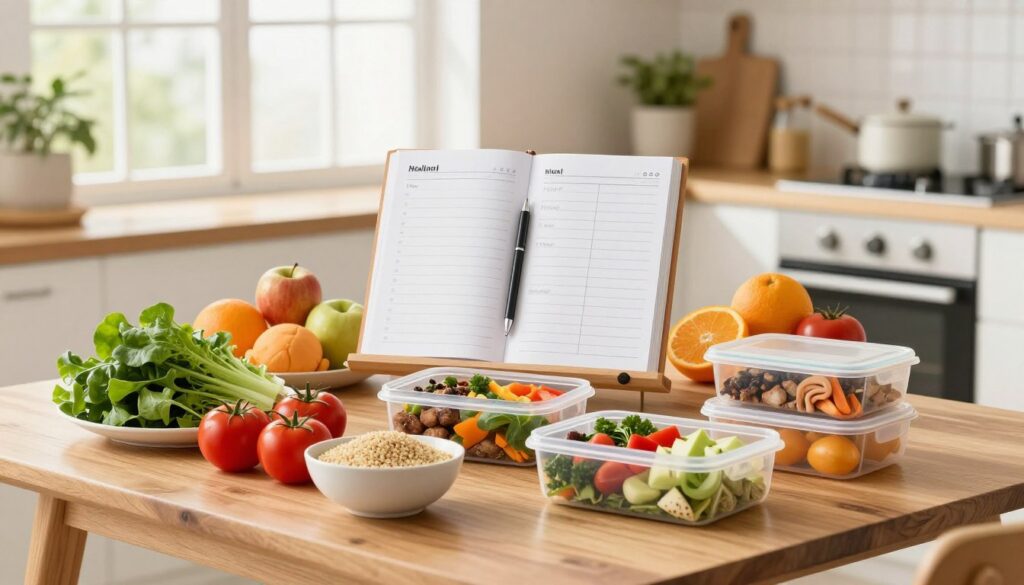
Eating better sounds simple until real life shows up. Long workdays, packed schedules, and low energy at the end of the night make cooking feel like one more thing to manage. That’s usually when good intentions get replaced with whatever is fastest and easiest.
The problem isn’t a lack of motivation. It’s the assumption that eating well requires cooking every night. For most people, that expectation just isn’t realistic.
This post is about practical ways to eat better without standing at the stove every evening. Not shortcuts that feel unhealthy, and not complicated systems that fall apart after a week. Just realistic strategies that make meals easier, more flexible, and less stressful—especially during busy weeks.
Key Takeaways
- Plan your meals in advance to save time and ensure healthy eating.
- Use simple cooking techniques to prepare meals quickly.
- Make the most of leftovers to reduce food waste.
- Keep a well-stocked pantry for easy meal preparation.
- Prep in bulk to have healthy meals ready for the week.
The Challenge of Healthy Eating in a Busy World
For most people, eating well isn’t hard because they don’t care — it’s hard because time and energy are limited. With increasingly busy schedules, many individuals find it difficult to prioritize healthy eating.
Common Obstacles to Daily Home Cooking
A few very real things tend to get in the way of cooking at home:
- Lack of time due to work and family commitments
- Limited cooking skills or knowledge
- The convenience of fast food and takeout
None of these are character flaws. They’re just the reality of modern schedules — which is why expecting nightly cooking usually backfires.
These factors often lead to a reliance on convenience foods, which can negatively impact health.
The Impact of Convenience Food on Health
Convenience foods are typically high in calories, salt, and unhealthy fats, contributing to various health issues such as obesity, diabetes, and heart disease. Regular consumption of these foods can have long-term negative effects on overall health and wellbeing.
Setting Realistic Expectations for Balanced Eating
To achieve balanced eating, it’s essential to set realistic expectations. This includes:
- Planning meals in advance
- Preparing healthy snacks
- Making gradual changes to dietary habits
By taking these steps, individuals can make healthy eating more manageable and sustainable in the long term.
Strategic Meal Planning for Less Cooking Time
Meal planning is not just about deciding what to eat; it’s about creating a system that minimizes cooking time. By adopting a few strategic planning techniques, you can significantly reduce the time spent in the kitchen without compromising on the quality of your meals.
Creating a Weekly Meal Calendar
Start by creating a weekly meal calendar. This involves planning out your meals for the next seven days, considering your schedule, dietary needs, and preferences. A meal calendar helps in avoiding last-minute cooking decisions and reduces food waste by ensuring that you only buy what you need.
👉 Healthy Kitchen Essentials That Actually Get Used
Shopping Lists That Minimize Cooking
A well-thought-out shopping list is crucial for minimizing cooking time. By focusing on ingredients that are quick to prepare or can be used in multiple dishes, you can simplify your cooking process. Consider pre-cut vegetables, pre-cooked meats, and versatile staples like rice, beans, and pasta.
Planning for Intentional Leftovers
Planning for leftovers is a key component of strategic meal planning. It not only reduces food waste but also saves time during the week when you’re too busy to cook.
Portion Planning for Multiple Meals
When cooking, prepare larger portions that can be reheated or used in different meals throughout the week. For example, cooking a large batch of chicken can provide protein for salads, wraps, and pasta dishes.
Versatile Ingredients That Transform Easily
Choose ingredients that can be easily transformed into different meals. For instance, a roasted chicken can become chicken salad, chicken soup, or chicken sandwiches. This approach keeps meals interesting and reduces cooking time.
By implementing these strategies, you can enjoy a variety of healthy meals without spending hours in the kitchen every night. Effective meal planning is about being intentional with your time and resources, making healthy eating both convenient and sustainable.
Batch Cooking: Cook Once, Eat Multiple Times
Batch cooking is a game-changer for busy individuals looking to eat healthy without spending hours in the kitchen every night. By preparing meals in bulk, you can save time during the week and ensure that you have healthy, home-cooked meals ready to go.
Best Dishes for Batch Preparation
Some of the best dishes for batch cooking include stews, soups, and casseroles, as they can be easily reheated and served. Other great options are grilled chicken or vegetables that can be used in various meals throughout the week.
| Dish | Reheating Time | Variations |
|---|---|---|
| Chicken Stew | 10-15 minutes | Serve with rice or bread |
| Roasted Vegetables | 5 minutes | Add to salads or wraps |
| Quinoa Casserole | 15-20 minutes | Top with different cheeses |
Proper Storage Techniques for Maximum Freshness
To keep batch-cooked meals fresh, it’s essential to store them properly. Use airtight containers and label them with the date. Meals can be stored in the refrigerator for up to 3-4 days or frozen for longer.
Creative Ways to Repurpose Leftovers
Leftovers can be repurposed in many creative ways. For example, last night’s dinner can become tomorrow’s lunch by adding different toppings or serving it in a new format.
Freezer-Friendly Meals That Reheat Well
Meals like soups, stews, and casseroles freeze well and can be reheated when needed. Simply thaw overnight in the refrigerator or reheat directly from frozen.
Transforming Basics into Different Cuisines
A basic dish like grilled chicken can be transformed into different cuisines by changing the seasonings or sauces. For example, add Mexican spices for a taco salad or Italian seasonings for a Mediterranean wrap.
No-Cook Meal Ideas That Actually Satisfy
When the kitchen gets too hot or time is scarce, no-cook meals come to the rescue with a variety of healthy and delicious options. These meals are not only quick to prepare but also packed with nutrients, making them a great choice for busy individuals and families.
Protein-Packed Salads and Bowls
Salads and bowls are a staple of no-cook meals, offering a refreshing and healthy option. By incorporating protein sources like canned tuna, chickpeas, or tofu, you can create a satisfying meal. Add some quinoa or brown rice for complex carbohydrates, and top with nuts or seeds for crunch.
Sandwiches and Wraps Beyond Basic
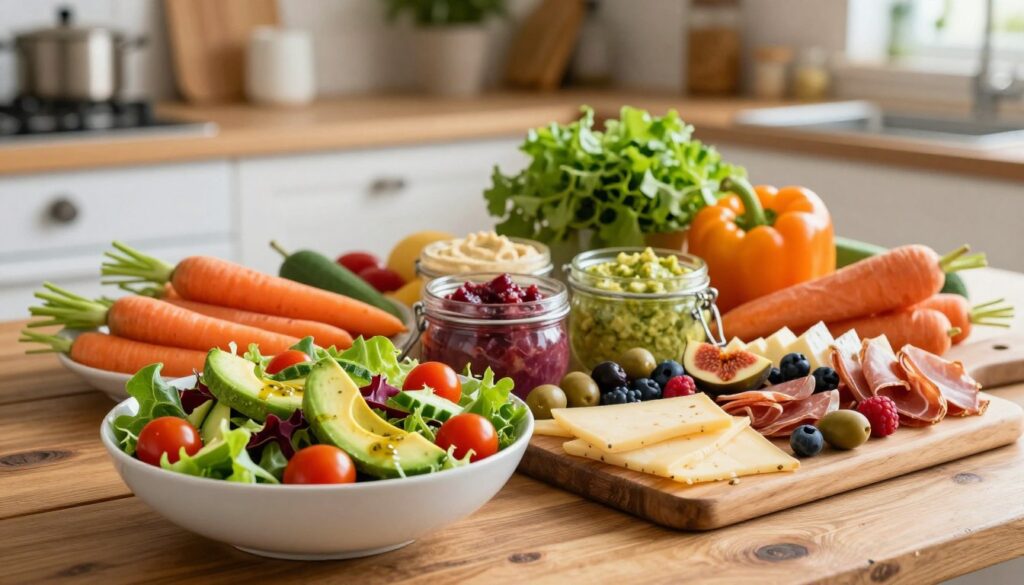
Sandwiches and wraps are another versatile no-cook option. Use whole grain bread or wraps and fill them with lean meats, cheeses, and plenty of vegetables. Consider adding hummus or avocado for extra creaminess and nutrition.
Cold Soups and Assembled Plates
Cold soups like gazpacho are perfect for hot days, while assembled plates featuring cold cuts, cheeses, and marinated vegetables offer a quick and easy meal solution.
Nutritionally Complete No-Heat Meals
No-cook meals can be nutritionally complete by combining a variety of food groups. Include a source of protein, healthy fats, and complex carbohydrates, along with a variety of colorful vegetables to ensure a balanced meal.
Semi-Homemade Strategies for Quicker Meals
The art of semi-homemade cooking offers a practical solution for busy individuals seeking healthier meal options. By combining store-bought convenience foods with homemade ingredients, you can create quick, nutritious meals that don’t compromise on flavor or quality.
👉 Healthy Breakfasts You Can Prep in Minutes
Rotisserie Chicken Transformations
A rotisserie chicken is a versatile base for numerous meals. You can shred it for chicken salads, use it in wraps, or as a topping for soups and salads. According to Bon Appétit, “A rotisserie chicken is one of the most useful items you can keep in your fridge.” Transforming a rotisserie chicken into different meals can save time and reduce food waste.
Pre-Chopped Vegetables Worth Buying
Pre-chopped vegetables can be a significant time-saver. Many grocery stores now offer a variety of pre-chopped options, from stir-fry mixes to salad kits. As noted by a study in the Journal of Food Science, pre-cut vegetables can be just as nutritious as their whole counterparts if handled properly. Look for pre-chopped veggies that are fresh and have minimal added preservatives.
Store-Bought Bases with Homemade Touches
Using store-bought bases like pre-made sauces or broths can streamline meal preparation. Adding your own ingredients, such as fresh vegetables or lean proteins, can elevate these bases into nutritious meals. For instance, adding spinach and grilled chicken to a store-bought pasta sauce can make for a quick and healthy dinner.
Frozen Foods That Actually Support Health Goals
Frozen foods have come a long way in terms of nutritional value. Many frozen vegetables and fruits are flash-frozen at peak freshness, preserving their nutrients. Frozen berries, for example, are a great addition to oatmeal or yogurt, providing a boost of antioxidants. As frozen food technology advances, it’s becoming easier to maintain a healthy diet with these convenient options.
By incorporating these semi-homemade strategies into your meal planning, you can enjoy a variety of quick, healthy meals without spending hours in the kitchen. As
Healthy eating usually works best when it feels realistic instead of restrictive.
Embracing semi-homemade meals is a step towards a more balanced and convenient eating routine.
How to Eat Better Without Cooking Every Night: Smart Appliances and Tools
Smart appliances and cooking tools are revolutionizing the way we eat, making healthy meals more accessible than ever. These innovative devices simplify meal preparation, reduce cooking time, and help maintain nutritional value.
👉 Best Juicers for Beginners, Busy Families, and Daily Use
Slow Cooker and Instant Pot Game Changers
Slow cookers and Instant Pots tend to work best for people who want dinner handled before the day gets busy, not those who enjoy cooking at night. They allow for the preparation of a variety of dishes, from hearty stews to tender meats, with minimal effort. The slow cooker is perfect for busy days, as it cooks meals over a long period. The Instant Pot, on the other hand, significantly reduces cooking time while preserving flavors and nutrients.
- Prepare ingredients in the morning, and come home to a ready meal.
- Use the Instant Pot to cook beans, grains, and proteins quickly.
Air Fryer Quick Meals
The air fryer is another versatile tool that makes healthy eating easier. It allows for the preparation of crispy foods with much less oil than traditional frying methods. This appliance is ideal for cooking frozen foods, vegetables, and lean proteins.
Benefits of using an air fryer include:
- Less oil consumption
- Quick cooking times
- Easy cleanup
Sheet Pan Dinners for Minimal Cleanup
Sheet pan dinners are a simple and efficient way to cook complete meals. By cooking proteins and vegetables together on a single pan, you minimize cleanup and maximize flavor. This method is also highly versatile, allowing for a wide range of ingredient combinations.
Try pairing chicken breast with roasted vegetables for a balanced meal.
Rice Cookers Beyond Basic Rice
Rice cookers are not just for cooking rice; they can be used to prepare a variety of grains, soups, and even certain types of desserts. Modern rice cookers often come with multiple settings, making them a valuable addition to any kitchen.
By incorporating these smart appliances and tools into your cooking routine, you can enjoy healthier, more varied meals without the need for extensive cooking every night.
Navigating Takeout and Delivery for Healthier Options
The convenience of takeout and delivery is undeniable, yet it requires a discerning eye to select meals that are both satisfying and nutritious. As we rely more on these services, understanding how to make healthier choices becomes increasingly important.
Decoding Menu Items for Nutritional Value
To make healthier choices, it’s essential to decode menu items. Look for dishes that are rich in vegetables, lean proteins, and whole grains. Avoid items with heavy sauces or those that are fried. Opt for grilled, baked, or steamed options whenever possible.
Restaurant Hacks for Healthier Orders
Many restaurants now offer healthier alternatives or can modify dishes to suit dietary needs. Don’t hesitate to ask for substitutions or special requests. For example, choosing a side salad instead of fries or asking for less oil in your dish can make a significant difference.
Portion Control with Restaurant Meals
Restaurant portions are often larger than what we need. Consider sharing a meal or saving part of it for later. This not only helps with portion control but also reduces food waste.
The goal isn’t to avoid takeout completely. For many households, it’s part of a normal week. The difference is treating it as a tool — not a fallback when nothing else feels doable.
Best Cuisine Types for Balanced Takeout
Some cuisines naturally lend themselves to healthier takeout options. For instance, Asian cuisines often feature a variety of vegetables and lean proteins, while Mediterranean cuisine emphasizes whole grains, healthy fats, and fresh vegetables.
By applying these strategies, you can enjoy the convenience of takeout and delivery while maintaining a balanced diet.
Budget-Friendly Approaches to Convenient Healthy Eating
Adopting budget-friendly habits can make healthy eating both convenient and affordable. With a little planning and some smart shopping strategies, it’s possible to enjoy nutritious meals without breaking the bank.
Cost Comparison: Home Cooking vs. Convenience Options
When considering the cost of healthy eating, it’s essential to compare the expenses associated with home cooking versus convenience options. While cooking at home can be cost-effective, certain convenience foods can be competitively priced, especially when considering the value of time saved.
A study comparing the costs found that while homemade meals can be cheaper, some pre-prepared foods from grocery stores are only marginally more expensive, making them a viable option for busy households.
Grocery Store Prepared Foods Worth the Price
Grocery stores now offer a variety of prepared foods that are both healthy and convenient. These include pre-cut vegetables, marinated proteins, and ready-to-eat salads. While they may be slightly more expensive than their raw counterparts, they save time and can reduce food waste.
- Pre-cut vegetables for quick stir-fries
- Pre-cooked chicken or fish for salads
- Ready-to-eat soups and stews
Maximizing Sales and Discounts on Ready-Made Items
To make healthy convenience foods even more affordable, it’s crucial to keep an eye out for sales and discounts. Many grocery stores offer weekly specials on pre-prepared items. Stocking up on these during sales can lead to significant savings.
Tips for maximizing savings:
- Sign up for store loyalty programs
- Use digital coupons
- Shop during sales periods
Affordable Shortcuts That Don't Sacrifice Nutrition
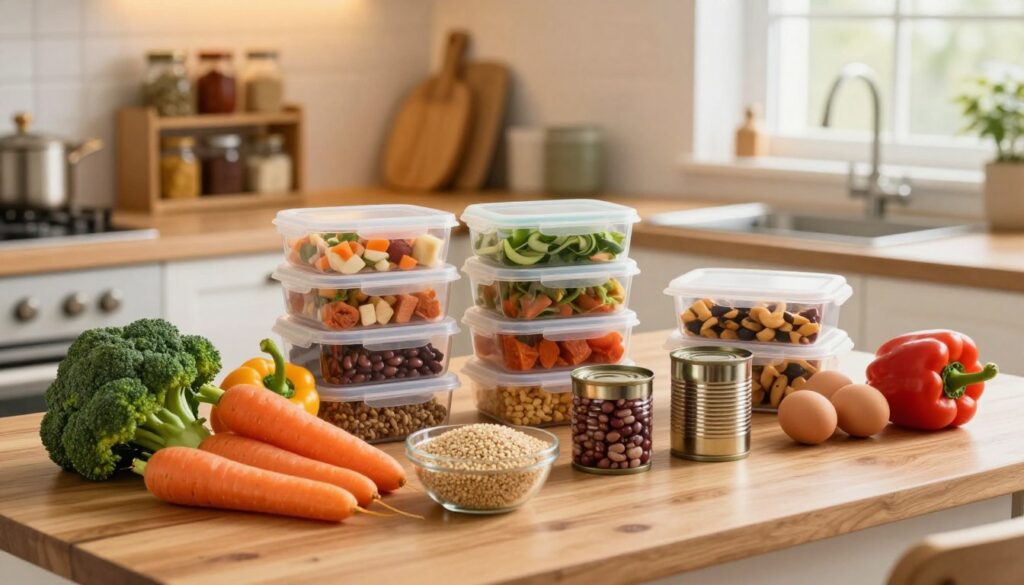
There are several affordable shortcuts that can make healthy eating convenient without sacrificing nutritional value. These include using frozen vegetables, canned beans, and pre-cooked grains. These items are not only budget-friendly but also packed with nutrients.
Examples of nutritious shortcuts:
- Frozen berries for smoothies
- Canned black beans for salads
- Pre-cooked quinoa for quick bowls
Subscription Meal Services and Grocery Solutions
With increasingly busy lifestyles, many are turning to meal delivery services and grocery delivery options to simplify healthy eating. These services offer a range of benefits, from convenience to nutritional balance.
Ready-to-Eat Meal Delivery Services
Ready-to-eat meal delivery services provide pre-prepared meals that can be heated and served. Companies like Blue Apron and Freshly offer a variety of healthy meal options that cater to different dietary needs. These services are ideal for those who want to eat healthy without spending time on meal preparation.
Meal Kits with 15-Minute Prep Times
Meal kits are another popular option, offering ingredients and recipes to prepare meals at home. Services like HelloFresh provide meal kits that can be prepared in under 15 minutes, making them perfect for busy weeknights. These kits often include fresh ingredients and simple recipes, ensuring a healthy and enjoyable dining experience.
Grocery Delivery for Fresh Ingredients
Grocery delivery services allow consumers to order fresh ingredients online and have them delivered to their doorstep. This option is convenient for those who prefer to cook at home but lack the time to go grocery shopping. Services like Instacart partner with local grocery stores to offer a wide range of products.
Specialty Diet Options for Delivery Services
Many meal delivery services and grocery solutions cater to specific dietary needs, such as vegan, gluten-free, or keto diets. These services ensure that individuals with dietary restrictions can enjoy healthy, convenient meals without compromising their nutritional goals.
Conclusion: Creating a Sustainable Healthy Eating Lifestyle
Eating better doesn’t have to mean cooking every night or following a rigid plan. The most sustainable habits are the ones that fit into your actual schedule, energy level, and kitchen setup,
Whether that means prepping a few ingredients ahead of time, relying on simple no-cook meals, or using semi-homemade shortcuts, the goal is the same: make food feel manageable instead of overwhelming. Small changes that remove friction during the week often matter more than big plans that don’t last.
If you’re looking for ways to build on these ideas, starting with simple meal prep ideas for busy weeks can make an immediate difference. The right approach isn’t about doing more—it’s about doing what works for you, consistently, without turning food into another source of stress.