
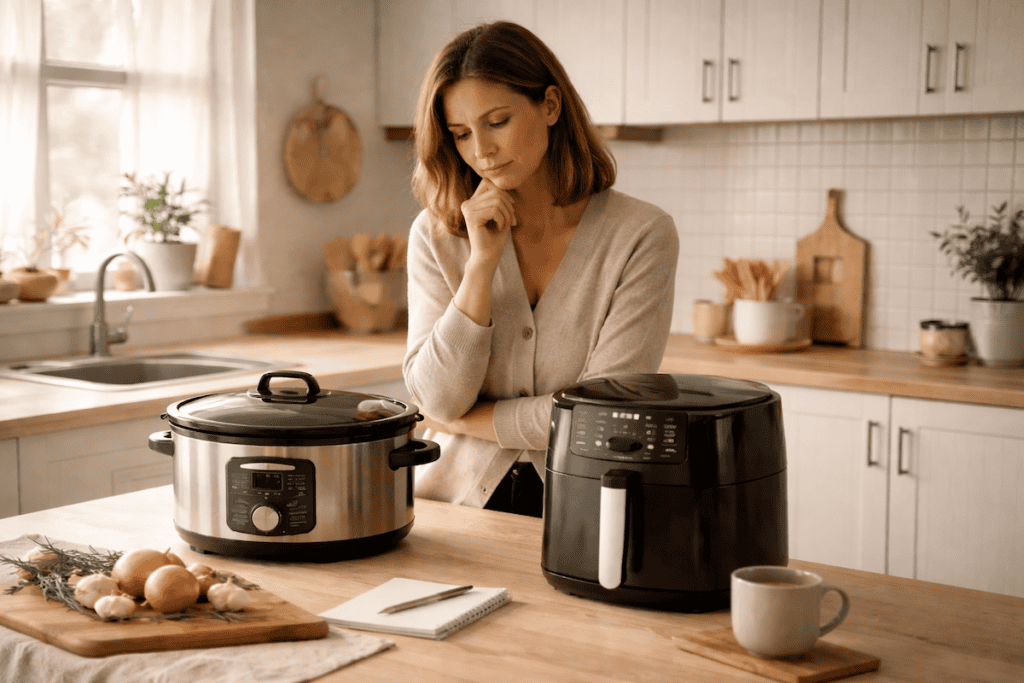
Choosing a slow cooker might seem simple until you’re standing in a small kitchen trying to figure out where it will actually live. Counter space is limited, cabinets fill up quickly, and appliances that feel manageable in a store can become daily annoyances at home. That’s why the debate around the Ninja vs Instapot slow cooker is so common among homeowners working with compact kitchens.
Both brands are well-known, both are widely reviewed, and both claim versatility. But they approach slow cooking very differently. One leans toward traditional, straightforward slow cooking with added flexibility. The other prioritizes multi-function cooking, with slow cooking as just one of many modes. If you’re trying to decide which is the best slow cooker for small kitchens, those differences matter more than brand recognition.
This guide breaks down Ninja slow cookers and Instapot slow cooking from a practical homeowner’s perspective. The focus is on real-world use: footprint, ease of use, cooking performance, storage, cleaning, and how each appliance fits into everyday life when space is limited.
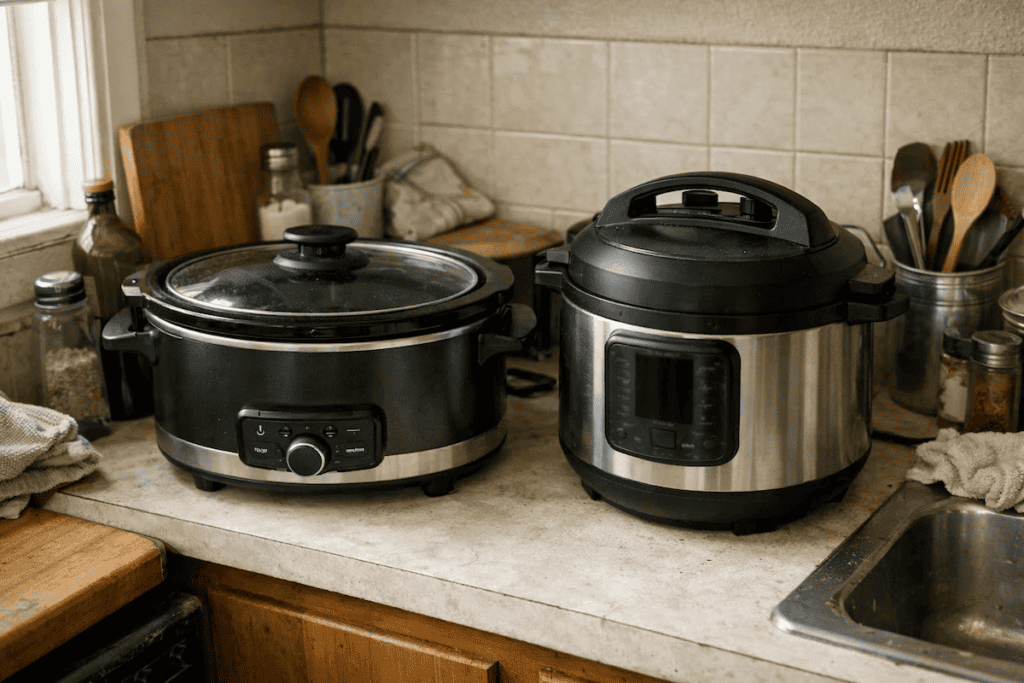
What Makes a Slow Cooker Work in a Small Kitchen
In a small kitchen, an appliance doesn’t just need to “fit.” It needs to function without constantly getting in the way. Before comparing brands, it helps to define what actually makes a slow cooker small-kitchen friendly.
Counter Footprint vs Usable Space
Manufacturers list dimensions, but those numbers don’t tell the whole story. A slow cooker may technically fit on a counter, yet still feel intrusive if:
It blocks access to outlets
It interferes with cabinet doors
The lid can’t be lifted easily
Width, depth, and height all play different roles depending on your layout.
Simplicity Matters More Than Features
In smaller kitchens, appliances are often used more frequently but stored less conveniently. Complicated controls, long setup times, or extra components can make an appliance feel like more trouble than it’s worth.
For many homeowners, the ideal slow cooker:
Is intuitive to use
Doesn’t require a manual every time
Can be set quickly during busy mornings
Storage Reality
If you don’t plan to leave your slow cooker on the counter full-time, storage becomes critical. Weight, shape, and lid design can all determine whether it’s easy to store or constantly shuffled around.
How Ninja Designs Slow Cookers for Everyday Use
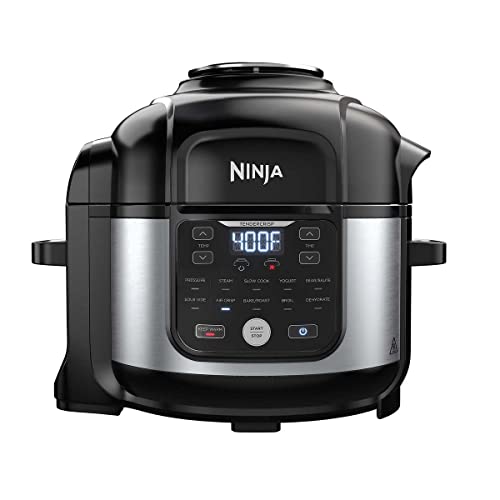
Ninja’s approach to slow cooking focuses on practicality and accessibility. While many Ninja models are technically multi-cookers, their slow cooking function tends to feel closer to a traditional slow cooker experience.
Size and Physical Design
Most Ninja slow cookers are:
Wider than they are tall
Lower-profile than pressure cookers
Designed to sit comfortably under cabinets
This lower height can make a noticeable difference in small kitchens. Lids are easier to remove, and the appliance doesn’t visually dominate the counter.
However, the wider footprint does take up more horizontal space. In galley kitchens or narrow countertops, that can be a trade-off.
Controls and User Experience
Ninja typically uses:
Clearly labeled buttons
Dedicated slow cook settings
Minimal menu navigation
This design favors homeowners who want to set a temperature, add ingredients, and move on with their day. There’s little guesswork involved, which is especially helpful if slow cooking is part of a weekly routine.
Slow Cooking Performance
Ninja slow cookers generally perform like traditional slow cookers:
Consistent low and high temperatures
Predictable cooking times
Even heat distribution
For recipes that rely on long, steady cooking — soups, stews, roasts — this reliability is a strong advantage.
How Instapot Handles Slow Cooking
Instapot’s reputation is built on pressure cooking, not slow cooking. While many models include a slow cooker mode, it’s important to understand how that function fits into the overall design.
Footprint and Vertical Space
Instapots are:
Taller and more compact in width
Heavier than most slow cookers
Designed around a sealed lid system
The narrower footprint can be appealing in small kitchens, especially where counter width is limited. However, the added height can cause issues with cabinet clearance, particularly when removing or storing the lid.
Control System and Learning Curve
Instapot controls rely on:
Digital displays
Multiple cooking modes
Programmed settings
For homeowners already familiar with Instapot cooking, this isn’t a drawback. For those who primarily want a slow cooker, the extra complexity can feel unnecessary.
Slow Cooking Performance Differences
Slow cooking in an Instapot behaves differently than in a traditional slow cooker:
The heating element is optimized for pressure cooking
Temperatures may run lower than expected
Cooking times sometimes need adjustment
This doesn’t mean it can’t slow cook effectively, but it often requires more attention and familiarity.
Ninja vs Instapot Slow Cooker: Side-by-Side Comparison
Understanding how these differences play out in daily use is easier with a direct comparison.
| Feature | Ninja Slow Cooker | Instapot (Slow Cook Mode) |
|---|---|---|
| Counter Footprint | Wider, lower profile | Narrower, taller |
| Cabinet Clearance | Easier under cabinets | Height can be limiting |
| Primary Design | Slow cooking first | Pressure cooking first |
| Controls | Simple, button-based | Digital, menu-driven |
| Slow Cook Consistency | Traditional, steady heat | Can run cooler |
| Weight | Moderate | Heavy |
| Best For | Frequent slow cooking | Multi-function cooking |
This table highlights why the Ninja slow cooker vs Instapot debate isn’t about which is “better” overall — it’s about which aligns with how you cook.
Which Is the Best Slow Cooker for Small Kitchens?
For homeowners focused on slow cooking, Ninja often comes out ahead. The combination of predictable performance, simpler controls, and lower height makes it easier to integrate into small kitchen routines.
Instapot can still be the best slow cooker for small kitchens if:
You rely heavily on pressure cooking
You want one appliance to replace several others
You’re comfortable adjusting recipes for slow cook mode
The key difference is intention. Ninja is designed to be a slow cooker that can do more. Instapot is a multi-cooker that happens to include slow cooking.

Day-to-Day Storage and Handling
Storage challenges often determine whether an appliance gets used regularly or ignored.
Ninja Storage Considerations
Ninja slow cookers tend to:
Fit more easily in lower cabinets
Be lighter to lift and move
Have simpler lid designs
This makes them more forgiving if you don’t want to leave them out all the time.
Instapot Storage Considerations
Instapots are:
Heavier and bulkier
Awkward to lift onto high shelves
Often stored with multiple components
In very small kitchens, this can become a real drawback over time.

Cleaning and Maintenance Over Time
Cleanup affects long-term satisfaction more than many people expect.
Ninja Cleaning Experience
Most Ninja slow cookers feature:
Removable, dishwasher-safe inserts
Simple glass lids
Fewer seals and crevices
Cleaning is usually quick and straightforward.
Instapot Cleaning Experience
Instapot cleaning involves:
Inner pot cleaning
Lid disassembly
Silicone sealing ring maintenance
While manageable, it requires more effort and consistency.
Energy Use, Noise, and Daily Convenience
Both appliances are energy-efficient when slow cooking, but they feel different in use:
Ninja slow cookers typically operate silently
Instapots may click or cycle as they regulate temperature
These small details matter when the appliance runs for hours at a time.
How Cooking Style Should Influence Your Choice
Your typical meals should guide your decision more than feature lists.
If your cooking routine includes:
Soups, stews, roasts
Set-it-and-forget-it meals
Minimal monitoring
Ninja’s design aligns better with those habits.
If you frequently:
Pressure cook grains or meats
Use sauté functions
Want one appliance to do many tasks
Instapot may justify its complexity.
Cost Considerations for Small Kitchens
Price often reflects versatility rather than performance. Ninja slow cookers are often priced competitively with Instapots, but the value depends on how many functions you’ll realistically use.
Paying for features you don’t use doesn’t help in a small kitchen — it just adds clutter.
Affiliate Disclosure
This post may contain affiliate links. If you choose to purchase through those links, a small commission may be earned at no additional cost to you. Product recommendations are based on practical use and everyday considerations.
Final Thoughts on Choosing the Right Slow Cooker
When deciding between a Ninja vs Instapot slow cooker, the best choice is the one that fits both your space and your habits. Ninja often works better for homeowners who primarily want a dependable slow cooker that doesn’t complicate daily cooking. Instapot makes sense for those who want maximum versatility and already rely on pressure cooking.
The best slow cooker for small kitchens isn’t about brand loyalty — it’s about choosing the appliance you’ll actually use comfortably and consistently.
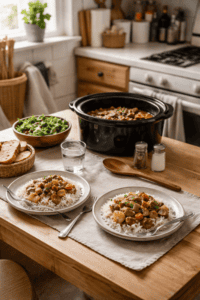
Real-World Cooking Scenarios in Small Kitchens
Specifications and features are useful, but day-to-day cooking habits reveal more than spec sheets ever will. Looking at how Ninja and Instapot slow cookers perform in common household scenarios helps clarify which fits better in a small kitchen.
Morning Prep Before Work
For many homeowners, slow cooking starts early in the day.
With a Ninja slow cooker:
Controls are straightforward and quick to set
You can start cooking without navigating menus
There’s little risk of accidentally selecting the wrong mode
With an Instapot:
Selecting slow cook mode takes more steps
Settings may need to be double-checked
Users often need to confirm temperature levels manually
When mornings are rushed, fewer steps often lead to more consistent use.
Cooking While the Kitchen Is in Use
In small kitchens, the slow cooker often runs while other cooking or cleaning tasks are happening.
Ninja slow cookers tend to:
Sit lower and interfere less with cabinets
Be easier to move temporarily if needed
Feel less intrusive during meal prep
Instapots can:
Take up vertical space that limits movement
Require more careful placement
Feel more “fixed” once positioned
These small differences can affect how comfortable your kitchen feels throughout the day.
Capacity vs Footprint: What Actually Matters
Many buyers focus on quart size without considering how that capacity is shaped.
Ninja Capacity Design
Ninja slow cookers often have:
Wider cooking surfaces
Shallower depth
Easier access to food while cooking
This shape works well for:
Casseroles
Roasts
Layered dishes
Instapot Capacity Design
Instapots emphasize:
Vertical depth
Sealed cooking environment
Pressure-based efficiency
This is ideal for:
Soups
Stews
One-pot meals
In a small kitchen, wider vessels may feel more usable even if total capacity is similar.
Flexibility vs Focus: Choosing the Right Philosophy
One of the biggest differences between Ninja and Instapot isn’t physical — it’s philosophical.
Ninja’s Focused Versatility
Ninja designs appliances to:
Excel at primary functions
Add secondary features without overwhelming the user
Maintain clarity in controls
For slow cooking, this focus results in:
More predictable results
Fewer adjustments
Less trial-and-error
Instapot’s All-in-One Approach
Instapot prioritizes:
Maximum functionality
Appliance consolidation
Digital control systems
This approach works best for homeowners who enjoy experimenting and customizing cooking processes.
Noise, Heat, and Kitchen Comfort
Small kitchens amplify sensory details.
Heat Output
Both appliances generate heat during long cooking sessions, but:
Ninja slow cookers tend to release heat more gradually
Instapots can radiate heat from multiple surfaces
In tight spaces, this can affect comfort during extended use.
Noise Levels
While neither appliance is loud:
Ninja models are usually silent once running
Instapots may click or cycle intermittently
For open floor plans or nearby living spaces, these subtle differences can matter.
Long-Term Ownership Considerations
Choosing a slow cooker isn’t just about initial use — it’s about how it fits into your home over years.
Durability and Wear
Ninja slow cookers typically have:
Fewer moving parts
Less reliance on seals
Simpler maintenance needs
Instapots involve:
Sealing rings that wear over time
More electronic components
Greater reliance on proper upkeep
Neither is unreliable, but Ninja’s simplicity can mean fewer long-term concerns.
Cost vs Value in Small Kitchens
Price tags alone don’t tell the full story.
Paying for features you don’t regularly use:
Adds visual clutter
Takes up storage space
Increases decision fatigue
For homeowners who slow cook weekly, Ninja often delivers better value through consistent use. Instapot’s value increases only if multiple functions replace other appliances.
Decision Checklist for Small Kitchens
Before choosing, ask yourself:
Will I primarily slow cook or pressure cook?
Do I prefer simple controls or advanced options?
Is vertical or horizontal space more limited?
Will I store the appliance or leave it out?
Answering these questions honestly usually points clearly toward one option.
Final Thoughts on the Ninja vs Instapot Slow Cooker Decision
When comparing a Ninja vs Instapot slow cooker, the best choice isn’t about owning the most popular appliance — it’s about choosing the one that fits seamlessly into your kitchen and daily routine.
For most homeowners with small kitchens who value simplicity, predictable results, and traditional slow cooking performance, Ninja tends to feel easier to live with. For those who prioritize versatility and already rely on pressure cooking, Instapot can justify its learning curve and maintenance.
The best slow cooker for small kitchens is the one that supports how you actually cook — not how you think you might cook someday.